|
Image Source: Unsplash Religious leaders have long played a critical role in shaping societal values and advocating for moral causes. In recent decades, they have increasingly embraced the fight against climate change and environmental degradation. One area where their influence can make a significant impact is waste prevention and environmental awareness. By leveraging their position as trusted figures in their communities, religious leaders can inspire individuals to take action and promote sustainable practices. This article explores the historical involvement of religious organizations in environmentalism, the moral imperative for waste prevention, and the power of faith-based initiatives in fostering environmental awareness. Table of ContentsThe Historical Role of Religious Organizations in EnvironmentalismReligious involvement in environmental issues dates back several decades. In the United States, the National Council of Churches and the National Association of Evangelicals were early advocates for environmental stewardship. Clergy were encouraged to preach about the environment, and religious organizations issued interfaith declarations about preserving the planet. Popes and patriarchs, such as St. John Paul II and Ecumenical Patriarch Bartholomew, brought the Roman Catholic and Orthodox Christian churches into the environmental movement through encyclicals and public statements. However, it was not until the mid- to late-1980s that religious leaders and organizations fully embraced environmental activism, particularly on issues related to climate change. This shift coincided with a growing recognition of the moral responsibility to protect the Earth and its inhabitants. Religious leaders began to emphasize the interconnectedness of environmental degradation, social justice, and the well-being of future generations. They called for a more holistic approach to environmental issues, integrating scientific knowledge with moral teachings. The Moral Imperative for Waste PreventionReligious teachings often emphasize the importance of stewardship and caring for God's creation. The concept of waste prevention aligns closely with these teachings, as it involves responsible resource management and the reduction of unnecessary consumption. Waste prevention encompasses various practices, including recycling, reusing, and reducing waste generation. By promoting such practices, religious leaders can address the moral dimensions of waste and its impact on the environment and society. One of the central tenets of waste prevention is the recognition that our planet's resources are finite. Religious leaders can draw attention to the ethical implications of resource depletion and the consequences for future generations. They can encourage their followers to adopt sustainable lifestyles that prioritize conservation and waste reduction. By reframing waste prevention as a moral imperative, religious leaders can inspire individuals to take action and make conscious choices that align with their faith and values. Faith-Based Initiatives for Environmental AwarenessReligious organizations have a unique ability to reach and mobilize communities. Their influence stems from the trust and respect they command among their followers. According to studies, approximately 80% of people worldwide identify as religious or participate in some form of religious practice. This vast reach positions religious leaders as powerful advocates for environmental awareness and waste prevention. Faith-based initiatives have emerged as effective platforms for promoting environmental awareness and sustainable practices. These initiatives often involve educational programs, community outreach, and interfaith collaborations. For example, the National Religious Partnership for the Environment in the United States coordinates efforts among Catholic, Protestant, Jewish, and Evangelical groups to address climate issues. They provide educational resources, organize events, and engage in advocacy to promote waste prevention and sustainable living. Religious leaders can leverage their influence to foster environmental awareness within their congregations and beyond. They can integrate environmental themes into sermons, religious teachings, and community activities. By highlighting the interconnectedness of faith, ethics, and environmental stewardship, religious leaders can empower individuals to become "LitterHeroes" in their communities. The Power of Individual ActionOne of the key strengths of faith-based initiatives is their emphasis on individual action. Religious leaders recognize that collective change begins with individual choices and behaviors. By encouraging their followers to adopt sustainable practices, such as waste prevention, religious leaders instill a sense of personal responsibility and agency. Individual actions, such as recycling, reducing single-use plastics, and conserving resources, can have a significant cumulative impact on waste reduction and environmental preservation. Religious leaders can inspire their congregations to take these small but meaningful steps toward a more sustainable future. They can encourage the formation of local "LitterHero" groups, where individuals come together to tackle waste issues in their communities. These grassroots efforts, driven by the shared values and moral convictions of religious communities, can create lasting change and serve as examples for broader societal transformation. Collaborating for a Sustainable FutureIn addition to individual action, religious leaders can play a crucial role in fostering collaboration between different stakeholders. Interfaith dialogue and partnerships promote a shared understanding of environmental challenges and facilitate joint efforts for sustainable solutions. By bringing together diverse religious communities, religious leaders can bridge divides and build a united front against waste and environmental degradation. Collaboration between religious organizations and environmental NGOs, government agencies, and other community groups can amplify the impact of waste prevention initiatives. By pooling resources, expertise, and networks, these partnerships can implement effective waste management systems, advocate for policy changes, and promote sustainable practices at a larger scale. This collective approach ensures that waste prevention becomes a shared responsibility, transcending individual faith traditions and benefiting the entire global community. The Urgency of ActionReligious leaders recognize that the fight against waste and environmental degradation is urgent. The consequences of inaction are already evident in the form of extreme weather events, biodiversity loss, and social injustices. Pope Francis has referred to the current state of the planet as being "at the limits of suicide." This sense of urgency permeates the messages of religious leaders worldwide, inspiring their followers to embrace waste prevention as a moral imperative. The need for waste prevention goes beyond individual actions and community initiatives. It requires systemic changes, including sustainable production practices, responsible consumption patterns, and comprehensive waste management strategies. Religious leaders can advocate for these changes by engaging with policymakers, industry leaders, and other influential stakeholders. Their moral authority and the collective voice of religious communities can exert significant pressure for policy reforms and institutional transformations. Embracing the Role of LitterHeroesIn conclusion, waste prevention is not merely an environmental issue; it is a moral imperative that religious leaders can passionately champion. By leveraging their influence and inspiring their communities, religious leaders can foster environmental awareness, promote sustainable practices, and advocate for systemic change. Waste prevention becomes a shared responsibility, transcending faith traditions and uniting individuals as "LitterHeroes" in the global fight against waste and environmental degradation. Religious organizations have a unique and powerful role to play in shaping our collective response to waste and environmental challenges. By harnessing the strength of their collective voice, religious leaders can inspire individuals, mobilize communities, and foster collaboration for a sustainable future. Let us join hands with religious leaders as we embark on this transformative journey, working together to create a world where waste is minimized, resources are conserved, and the environment thrives. As LitterHeroes, we have the power to make a difference. Let us rise to the challenge and be the change our planet needs. Together, we can build a brighter future for ourselves, future generations, and all living beings on Earth.
0 Comments
When you think of the word ‘restaurant’, what images come to mind? Bright lights, bustling tables, chefs twirling their knives and waiters appearing with lightning-fast service. But when it comes to the topic of plastic waste reduction in restaurants, few images and ideas come to mind. Why? Because so many of them still use a ridiculous amount of single-use plastic in their establishments. From straws to lids on drinks, side items like ketchup and mustard bottles, takeout containers… The list goes on and on. Image Source: Unsplash To reduce plastic waste and save money at the same time is no easy feat for any restaurant owner. But with some simple changes here and there, we can do just that. Let’s explore how restaurants can successfully reduce single-use plastic waste while also saving money from one simple change to another! Table of ContentsWhat is single-use plastic and why is it a problem?Single-use plastic refers to products made of a synthetic plastic material intended to be used only once and then discarded. This includes plastic bags, water bottles, produce bags, coffee cups, packaging and more. This plastic is extremely problematic for both the environment and our health. Not only does it take up to 1000 years to fully decompose, but it also has a harmful impact on the way we live. For the environment, these types of plastic are the single-greatest source of waste. They clog our oceans, rivers and landfills. In fact, it’s estimated that by the year 2050, there will be more plastic in our oceans than fish! For our health, single-use plastic can leach harmful chemicals into our food, beverages and other products. This can have a negative impact on our digestive system and even lead to serious illnesses. And this is just the tip of the iceberg. Reduce single-use plastic in restaurants: Why and how?There are many reasons why single-use plastic should be reduced in restaurants. If you’re wondering why, consider the following: It’s not sustainable for the environment. It negatively impacts our health. It’s costly for businesses. It’s bad for customer relations. It’s a missed opportunity for businesses. And this is only the tip of the iceberg. With all of these issues combined, it’s no wonder why so many restaurants have already started to reduce single-use plastic in their establishments. Switch from disposables to reusable itemsDisposable items like plastic cutlery, cups, straws and food containers can be substituted with their reusable counterparts. This can greatly reduce the amount of single-use plastic your business uses each day. Not only that, but it’s a great way to promote a cleaner, healthier environment for your customers and employees. Switch out your single-use food containers for reusable ones. Customers love them, and they’re a great way to reduce plastic waste in your restaurant. If you’re wondering where to start, you can choose from a variety of materials, like stainless steel, bamboo, bamboo, food-grade plastic, glass and more. Go green with eco-friendly dining wareEco-friendly dining ware is a great alternative to plastic cutlery, cups and more. These materials are some of the most popular options for eco-friendly dining ware. Bamboo: bamboo is one of the most sustainable materials out there. It’s fast-growing, doesn’t require as much water or nutrients to grow as trees do and is easily renewable. Ceramics or Glass: this material is widely used in China, India and other Asian countries. It has a long history of use, dating back thousands of years. Stainless steel: this is a very durable material that’s scratch-resistant. It’s dishwasher-safe and easy to clean. Bioplastic: this material is more sustainable than traditional plastic. It’s made from plant-based, renewable sources. Wood: wood has been a popular material for dishes and dining ware for many centuries. It’s a renewable resource that you can easily repurpose after several years of use. These materials are just a few of the eco-friendly options out there. There are plenty of others available for you to choose from, as well. Change your condiments for sustainable optionsCondiments, such as ketchup and mustard, can also be served in sustainable alternatives, such as repurposed glass bottles. Even squeeze bottles made from sustainable materials, such as bamboo, are a great option. This can greatly reduce the amount of single-use plastic your business uses each day. Not only that, but it’s a great way to reduce the amount of waste your restaurant produces and save some cash in the process. If you’re wondering where to start, you can choose from a variety of materials, like bamboo, glass, food-grade plastic and more. Ditch the disposable to-go containersDisposable to-go containers are one of the worst offenders when it comes to single-use plastic. They’re used in restaurants, delis, food trucks and everything in between. This can lead to a ridiculous amount of waste in and around establishments. To reduce single-use plastic in your restaurant, you can ditch the disposable to-go containers in favour of reusable ones. Customers love them and they’re a great way to reduce your waste. To help you get started, you can choose from a variety of materials, such as bamboo, cardboard and paper. Summing upSingle-use plastic is incredibly problematic for our health and the environment. To reduce this waste in restaurants, businesses can switch from disposables to reusable items, go green with eco-friendly dining ware, change their condiments for sustainable options and ditch the disposable to-go containers. With all of these changes in place, businesses can successfully reduce single-use plastic waste while saving money from one simple change to another! To conclude, single-use plastic is an enormous problem for our health and the environment. To reduce this waste in restaurants, businesses can switch from disposables to reusable items, go green with eco-friendly dining ware, change their condiments for sustainable options and ditch the disposable to-go containers. With all of these changes in place, businesses can successfully reduce single-use plastic waste while saving money from one simple change to another! Image Source: Unsplash
In a world grappling with urgent environmental challenges, it is heartening to find that science and religion, often seen as conflicting forces, converge on the need for environmental stewardship. From Buddhism to Christianity, Hinduism to Islam, various faiths recognize the importance of caring for the Earth and its biodiversity. These religions encourage their followers to be responsible caretakers of the planet. In this article, we will explore the inspiring efforts of spiritual leaders and religious organizations to raise environmental awareness and promote sustainable practices. Table of Contents
The Green Rule: Treat Nature as You Would Like to Be TreatedOne common theme that emerges across different faith traditions is the "Green Rule": treating nature with the same respect and care we would want for ourselves. This principle underscores the interconnectedness of all living beings and emphasizes the importance of responsible environmental behavior. By embodying the Green Rule, religious communities inspire individuals to adopt sustainable practices that contribute to a healthier planet. The Role of Faith-Based Institutions in Environmental EducationFaith-based institutions, including schools, play a crucial role in raising environmental awareness. Approximately half of the schools worldwide are owned by religious organizations, making them influential platforms for imparting knowledge about environmental issues. These institutions have the power to arm society with the understanding of the damage humans cause to the environment and how we can reverse it. By incorporating environmental education into their curriculum, faith-based schools instill a sense of responsibility and empower future generations to become environmental stewards. The Faith for Earth Initiative: Mobilizing Religious Organizations for Sustainable DevelopmentRecognizing the significant impact of faith-based organizations, the United Nations Environment Program launched the Faith for Earth Initiative in 2017. This initiative aims to engage religious groups in collectively achieving the Sustainable Development Goals outlined in the 2030 Agenda. By partnering with faith-based organizations, the initiative harnesses the power of spirituality to drive positive change and promote sustainable practices. Through collaborative efforts, religious communities are becoming powerful advocates for environmental protection. Ecumenical Patriarch Bartholomew I: A Green Patriarch Leading by ExampleEcumenical Patriarch Bartholomew I, the leader of over 300 million Orthodox Christians worldwide, has emerged as a prominent advocate for environmental protection. He has actively supported various international environmental causes and urges leaders of other faiths to raise environmental awareness among their followers. Bartholomew I believes that harming the natural world is a sin and that protecting the environment is a divine duty. His dedication to marine preservation is evident in his initiative to bring together scientists, political leaders, and journalists to discuss the hazards of overfishing. By leading by example, Bartholomew I inspires individuals to recognize the sacredness of the Earth and take action to preserve it. The Dalai Lama: Buddhism's Environmental ChampionThe 14th Dalai Lama of Tibet, a Nobel Peace Prize laureate, has been a vocal advocate for environmental protection. He believes that environmental issues are among the key challenges humanity faces today. The Dalai Lama emphasizes the importance of kindness to the planet and has been outspoken about protecting forests, wildlife, and controlling the spread of nuclear power. He considers a clean environment a basic human right and encourages individuals to act responsibly for the sake of future generations. By offsetting emissions generated by his world tour and promoting environmental awareness, the Dalai Lama demonstrates how spirituality can be a driving force for positive change. Rev. Sally Bingham: Interfaith Collaboration for Climate ActionRev. Sally Bingham, an Episcopal priest and environmental minister, has been at the forefront of interfaith collaboration for climate action. Through the Interfaith Power & Light campaign, she has mobilized religious groups to purchase green power and conserve energy. Bingham's leadership in uniting leaders from different faith traditions highlights the power of collective action in addressing climate change. By advocating for sustainable practices within religious communities, she sets an example for individuals to make environmentally responsible choices. Archbishop of Canterbury Rowan Williams: Sustainability as a Moral DutyThe Archbishop of Canterbury, Rowan Williams, has emphasized the moral duty of Christians to practice sustainable consumption and care for God's creation. In his report to the General Synod meeting, Williams called for using organic bread and wine for Holy Communion, selling fairly traded products at church events, carpooling, and recycling. By launching a national environmental campaign, Williams demonstrates the commitment of the Church of England to address climate change, biodiversity loss, and pollution. Through these actions, he encourages individuals to embrace sustainability as a fundamental aspect of their faith. Richard Cizik: Evangelical Advocacy for Creation CareRichard Cizik, former Vice President of Governmental Affairs for the U.S. National Association of Evangelicals, and now President of the New Evangelical Partnership for the Common Good, is a prominent advocate for creation care. He believes that evangelicals have a duty to be environmental stewards and has been instrumental in raising awareness about climate change and other environmental issues within the evangelical community. Despite facing criticism, Cizik remains steadfast in his efforts to promote creation care as a biblical responsibility. By highlighting the scriptural basis for environmental stewardship, he encourages evangelicals to embrace a more holistic understanding of their faith and inspire positive change. Pope Benedict XVI: A Call to Protect God's CreationPope Benedict XVI has been increasingly vocal about the importance of protecting the environment and addressing climate change. He has used an electric Popemobile and supported solar power initiatives within Vatican City. The Pope recognizes the suffering that climate change inflicts on the world's poor and emphasizes the need for environmental stewardship guided by Catholic faith. By denouncing factory farming, endorsing the safeguarding of creation, and celebrating a day dedicated to the environment, Pope Benedict XVI inspires Catholics worldwide to take action and protect God's creation. Fazlun Khalid and Norman Habel: Interpreting Ecology through FaithFazlun Khalid, the founder of the Islamic Foundation for Ecology and Environmental Sciences, and Norman Habel, the editor of the Earth Bible, both emphasize the importance of ecological responsibility within their respective faith traditions. Khalid believes that protecting the environment is an act of worship and a responsibility bestowed upon humanity by Allah. Habel's Earth Bible incorporates ecology, eco-ethics, and eco-theology into biblical interpretation, calling for eco-justice and reconciliation. By integrating environmental values into their faith traditions, Khalid and Habel inspire individuals to view the environment as sacred and promote sustainable practices. Rabbi Warren Stone: Mobilizing the Jewish Community for Environmental ActionRabbi Warren Stone has been a leading voice within the Jewish community for environmental action. As the founder and chair of the Central Conference of American Rabbis' Committee on the Environment, he has been instrumental in raising awareness about climate change and advocating for forest conservation. Through his involvement in numerous initiatives, Rabbi Stone demonstrates the importance of the Jewish community's active participation in environmental protection. By mobilizing Jewish individuals and organizations, he fosters a sense of collective responsibility and encourages action for a sustainable future. Conclusion: Empowering Individuals for Environmental ConservationFrom religious leaders championing environmental causes to faith-based organizations promoting ecological responsibility, there is a growing movement within various faith traditions to address environmental challenges. By raising awareness, advocating for sustainable practices, and mobilizing communities, these spiritual leaders and organizations inspire individuals to embrace their role as environmental stewards. By adopting the principles of the Green Rule and treating nature as we would like to be treated, we can collectively work towards a sustainable and thriving future. Let us join hands and become #litterheroes in this global cause, making a positive impact on our environment for generations to come. New environmental regulations, coupled with the growing concern of global climate change and pollution, have forced hotels to take action against single-use plastic waste. The hospitality sector is now focusing on reducing or eliminating plastic straws, cutlery, and other disposable items that go directly into the landfill after one use. Image Source: Unsplash With more than 330 million people staying in hotels every night and accounting for about 40% of all available accommodations worldwide, hotels have a great potential for reducing their single-use plastic waste by switching to reusable items . If you own or operate a hotel, here are 5 easy s that can help reduce your hotel’s carbon footprint and make an impact on the environment. Table of Contents1: Educate yourself, your staff and your guestsBefore you dive into action and change your hotel’s eco-friendly policies, make sure your staff and guests are aware of the importance of reducing single-use plastic waste. By encouraging your guests to bring their own reusable water bottles, cutlery and bags, you can significantly reduce the amount of disposable items that end up in the landfill. You can put up signs in the hotel lobby, or send emails to your guests, encouraging them to bring their own reusable items and explaining why it is important to do so. It is also important to educate your staff, especially your kitchen and housekeeping staff, so they are aware of the new environmentally-friendly policies and know how to handle requests related to reusable items properly. 2: Replace plastic water bottles with glass or metalOne of the single-use plastic items you can easily replace with reusable alternatives is the water bottle. Many hotels provide plastic water bottles as part of their guest amenities, but this should be replaced with reusable metal or glass bottles. If you have a restaurant at your hotel, you should also encourage your guests to order tap water instead of bottled water: more than 50% of the water bottles used daily in the US are for hotel guests. If you are going to replace plastic water bottles with glass bottles, make sure your guests will be able to handle and transport them properly. You can also put up signs at the guest room, informing guests how to properly use glass bottles. 3: Replace single-serving condiment packsSingle-use plastic condiment packs are another item that many hotels have been providing for their guests for years, but these should be replaced with reusable alternatives such as reusable containers or eco-friendly paper cups. You can also encourage your guests to bring their own food containers from home and use them to store leftovers from the hotel restaurant. This will also cut down on single-use plastic waste from the hotel kitchen. 4: Go green with eco-friendly amenitiesAs you are replacing plastic items with reusable alternatives, make sure that you are switching to eco-friendly items and materials. Instead of disposable paper towels and sponges, consider switching to washable reusable towels and environmentally-friendly sponges. This way, you will avoid wasting large amounts of paper and sponges that will go directly into the trash after one use. If you have a gift shop at your hotel, consider replacing plastic bags and boxes with eco-friendly alternatives such as cardboard boxes made from recycled content. 5: Recycle where plastic waste is unavoidableWhile reducing single-use plastic waste and replacing it with reusable alternatives is a great first step, it is also important to recycle plastic waste that can’t be avoided. Wash your reusable towels and sponges after each use and put them into the hotel laundry. This way, you will eliminate the need for disposable paper towels. In the kitchen, recycle all leftovers that cannot be composted, such as vegetable peels, bones, etc. If your hotel has a food waste disposal system, make sure you are feeding it with proper food waste that can be composted, and not with plastic items. ConclusionBy following these 5 easy steps, you can significantly reduce the amount of single-use plastic waste from your hotel. It is important to note that hotels are not the only industries that can benefit from these 5 tips. They can also be applied to restaurants, grocery stores, and other similar establishments. With the growing concern of environmental issues, the use of plastic items has been under heavy scrutiny. Hotels are a major contributor to the problem, as they provide disposable cups, cutlery, and other items to their guests daily. If you are an owner or manager of a hotel, it is important to reduce your hotel’s carbon footprint by reducing the amount of single-use plastic waste. By following these 5 easy steps, you can significantly reduce the amount of plastic waste from your hotel. Littering is an epidemic worldwide. In the U.S., littering costs $45 billion every year. That’s an awful lot of money that could be spent on things like education, clean water, and parks instead. And it’s one of the worst forms of behavior for the environment. It causes air pollution, water pollution, and garbage pollution. Essentially, littering is one of the worst things you can do. It’s incredibly inconsiderate, takes up unnecessary space, and is against the law. How can you stop littering? Let’s take a look at some ways to prevent it from becoming a habit in your life. Table of ContentsThe Easiest Way to StartThe easiest way to start is to be aware of your surroundings. When you see trash on the ground, pick it up and put it in the nearest trash can. If you see somebody littering, politely tell them not to do it. If they ignore you, let them know that they’re breaking the law and could be fined $1000 or more. It also pays to participate in volunteer work where litter removal is necessary. This will give you a chance to see just how much garbage there really is out there and make you more conscious of picking up any litter you come across in your everyday life. In order for these methods to work, we must all be involved in keeping our surroundings clean; we need pedestrians and drivers alike participating in good habits like recycling and picking up trash when they see it. It takes all of us working together for our environment to stay clean! Reusable Shopping BagsCarrying reusable shopping bags with you is a great way to prevent littering. You may not have noticed this, but people who go shopping with their own bags are less likely to litter. It's because they can easily carry their items home without the need for plastic or paper bags that will inevitably end up in a landfill. Many single use packaging products state "Recyclable" on them, but that does not mean they actually get recycled. I will be honest, it took me about 2 years to finally make this an unconscious habit, and I now have enough reusable totes to last me several lifetimes, but it's been a very long time since I have used a single use bag! Make Sure You Dispose of Waste in the Correct PlaceThere are a number of steps you can take to make sure you don’t litter. The first would be making sure that you dispose of your waste in the proper place. This includes things like trash and food wrappers. It might seem trivial, but a lot of people think that being able to throw their trash anywhere is convenient. But it’s far from convenient for the environment. Trash left on the ground is easily blown away by wind or pushed around by animals, which just causes more environmental damage. So, what should you do? You should always make sure that your garbage ends up in bins and other designated areas where it will be picked up and properly disposed of an incinerated. Don’t Litter When You’re DrivingOne of the most common ways people litter is by throwing things out their car window. This littering behavior not only causes a nuisance on the side of the road, it also creates dangerous driving conditions for other drivers. In fact, littering from a car can cause up to $5 billion worth of damage every year. The best way to stop this from happening is to never throw anything out your car window while you’re driving. Remember that old saying, “Think before you toss?” It applies here too! If you have trash in your car, never throw it out onto the ground or anywhere else that could harm another person. Instead, wait until you reach your destination and dispose of it there. I find a good rule of thumb is: if you can carry a full package out, you can surely bring your empty package back. Walk and Talk to Your NeighborsOne great way to stop littering is by walking and talking with your neighbors. What can you do if you see a smoker who just threw their cigarette butt on the ground? You could politely suggest that they consider dropping their cigarette butts in the nearest bin. You can also start a conversation about reducing consumption of single use materials and why it's important. Or, you could encourage your neighbors to start to recycle by providing helpful information, like how easy it is to recycle or which items can be recycled in your area. And don’t forget about talking about how littering affects wildlife and the environment! Get Educated About the ProblemThe first step to overcoming any problem is getting educated about it. You need to know what’s causing it and why it needs to be stopped. Littering is caused by ignorance, apathy, or even convenience. It’s important to understand the cause of your behavior so you can work on changing that behavior. For example, if you litter because you don’t care about the environment, then you need to change your mindset about the environment. Have a Talk With Your KidsTeaching children from an early age about the consequences of littering is one of the best ways that parents can help. For example, if a child throws a piece of trash on the ground, have them pick it up and put it in a nearby trash can before they go on their way. When you teach your children from an early time that littering is wrong, they’ll have less of a chance to develop into chronic litterers when they get older. Organize a Street Fair or Community CleanupOne way to stop littering is by organizing a street fair or community cleanup. Invite your neighbors, friends, and friends’ friends for a day of cleaning up the streets and picking up litter. Make it fun! There are so many creative things you can do like going for a walk with friends, having a picnic on the street, or inviting everyone over for dinner. Another way to stop littering is by educating people. It’s important to talk about why it’s so bad for the environment—and on another level why it’s illegal to throw garbage on the floor in public places—to change people’s mindsets. Share posts from reliable sources on social media and create informative conversations with your family and friends. You could also pass out flyers at schools or put up posters around town that show the consequences of littering (such as dirty air). ConclusionWhen you litter, you’re not just harming yourself; you’re harming the entire community. Litter can end up in rivers and streams, on beaches and in the ocean, in our communities and even on our doorsteps. The good news is that it’s never too late to start taking some simple steps to help stop litter. The best place to start is with yourself. Begin by making a commitment to stop littering, then take some of the other actions outlined here. And don’t forget to spread the word!  One of the most powerful tools in the the Litter Hero's arsenal can be a litter map and litter mapping app. You can share your good work, help build a global knowledge base and encourage other to join you! Here are a few of the best litter mapping apps out there. To make the most of your litter picking efforts whether alone or with a group, why not share your activity with others? Get kudos, share useful location data and inspire other people to help join litter clean up events and activities. These mobile apps can help make it more fun and more rewarding to be a LitterHero!
Everyone has a responsibility to take care of the planet. You don't need to be a scientist or an environmentalist to do your part for the environment, and you don't need to become a hermit either. Here are a few easy ways to leave places better than you found them by simply changing your behavior and doing small things that matter.  Its sounds idealistic, but the world would be a much better place if we all left places a little bit better than we found them. When you leave a place better than you found it, you are doing a great service to your fellow citizens and you are helping to make the world a better place for yourself.
Plan ahead The first step to being a better caretaker of our environment is to plan ahead. Bring reusable bags with you when shopping, or pack some snacks and water in your car so you have it on hand. You’ll find yourself less tempted to buy things at the store or get fast food if you bring your own sustenance. You’ll save money, too! Reduce your waste A great way to do your part for the planet is by reducing what you throw away. Things like reusing plastic water bottles, recycling materials, and composting food scraps can help reduce your waste. If you're a coffee drinker, be sure to use reusable cups every time you go out for coffee. Use cloth bags when shopping instead of disposable bags. This will not only help the environment but it will also save some money in the process! Make the right choices The first step to leaving the world a better place is by making the right choices. There are many small ways you can start living in a more sustainable way, from recycling to turning off lights when you leave a room. It's also important to reduce your waste and use less energy. Consider using reusable shopping bags instead of plastic ones, only running the dishwasher when fully loaded, or turning off electronics and lights when they're not being used. Take time to appreciate nature Find a place that is green, like a park or the seashore and spend some time there. Enjoy the vibrant colors, fresh air, and calming sounds. Nature is embedded in our DNA and we need to be in constant contact with it. This is why many people choose to grow plants at home, but if you're not a green thumb, you might want to check out greenhouses or plant stores. Learn to appreciate the beauty of nature by learning to grow something on your own! If you spot some trash left behind by others, or brought in by the tide, you could pick it up and leave it in the nearest litter bin. Then leave with a sense of peace knowing that you took a positive action and that you are doing your part to make your world better. Give back to the community For anyone who wants to get involved in charity, there are a wide range of ways to do so. You can donate money easily through a number of crowdfunding sites. Many people don't realize this, but you can even get involved in charity work through your own personal skills and talents. If you have any kind of artistic skill, consider donating your talents to hospitals and organizations. You could even take on a small job, such as repairing a fence, to help out the community. Volunteering is a great way to give back, especially if you're looking for a creative way to spend your time! Encourage others Encouraging other people can be as simple as being friendly, giving a compliment, or helping someone with a problem. Encouraging other people can also be as big as giving them a smile, a hug, or a handshake, or helping organise a local clean up event. Encouraging other people is an important part of life and it is something that can make you feel good about yourself. Conclusion Leaving places better than you found them is a nice way to make the world a better place. To encourage this behavior, make it a point to think about how you are treating the environment, people, and your surroundings before, during, and after your stay in a place. Make an effort to leave things better than when you found them. The global litter problem is massive and can seem overwhelming - but tackling it is not nearly as difficult as it seems. Want to know How to Be a LitterHero? We have broken down the litter problem into simple items that anyone can act on, locally. 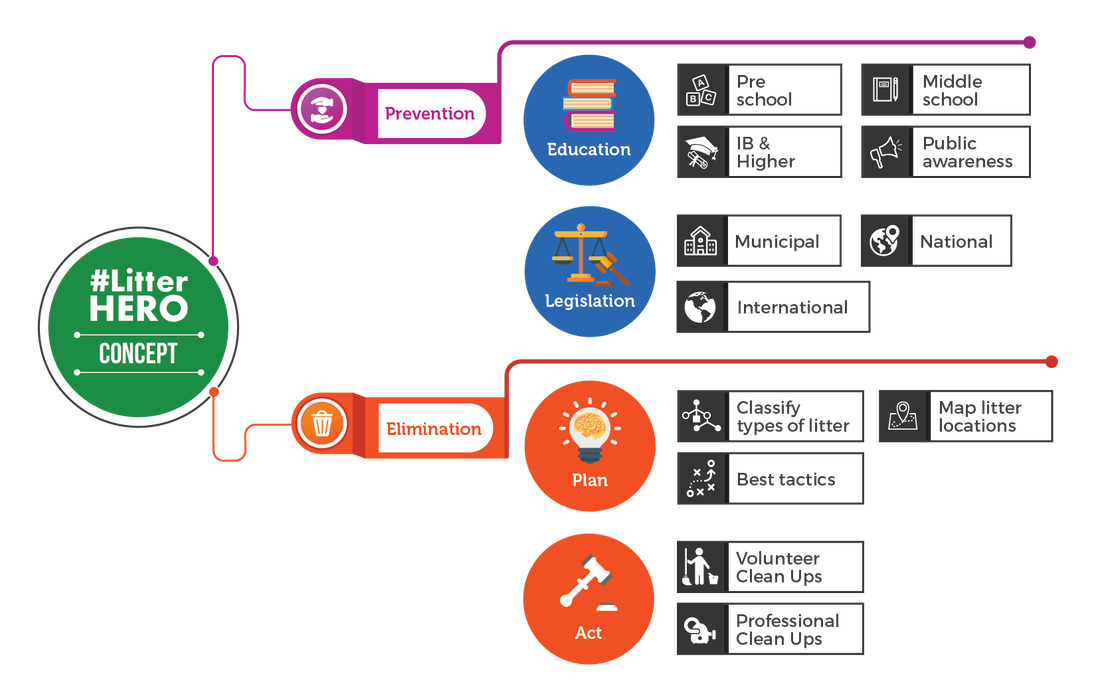 PreventionThe single easiest way to tackle the litter problem is to produce less waste in the first place. The number one source of litter is waste packaging. There are a number of ways to reduce the waste you generate but the simplest one of all is to consume less. The next best thing is to choose products that have minimal packaging of a recyclable or biodegradable nature. Which ever method of litter prevention suits you best, it will work even better of you can bring friends and family on board! Spread the word and share your reasons for preventing litter, you will be making a change and spreading change by changing mindsets and paradigms. Below are two ways to move forward.
EliminationWhile the easiest, simplest and most powerful, way to reduce waste and litter is to prevent it in the first place, there is so much litter already in our environment that we need to take direct action to clean it up! You don't need to organise or take part in massive actions - although they are great for raising awareness. Even the smallest actions add up to a massive positive change, not just from the litter you remove, but because other people get inspired by your actions.
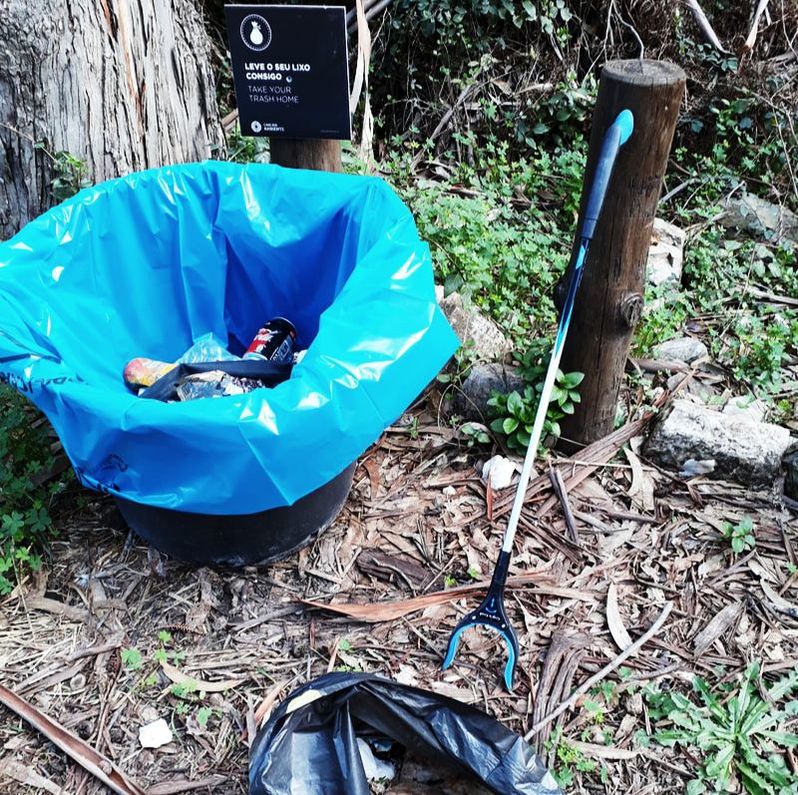
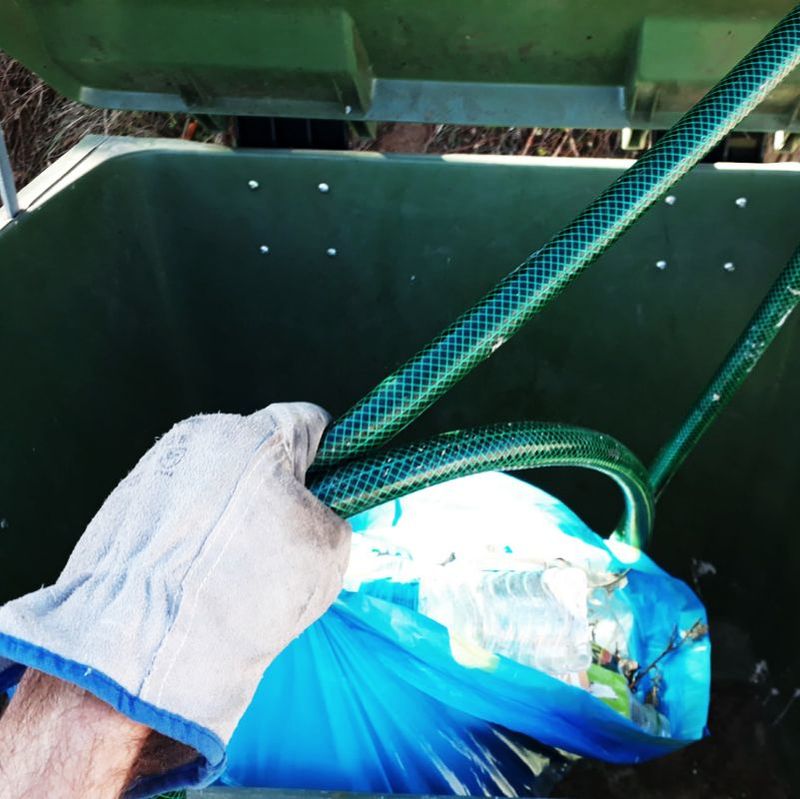
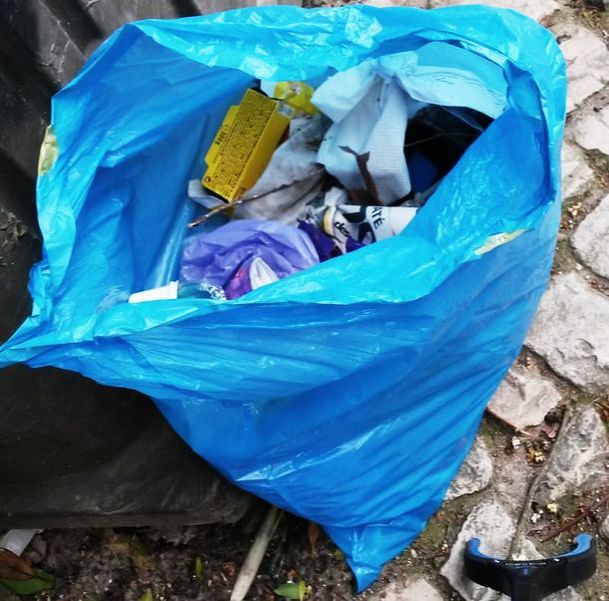
ToolsFrom time to time, as I walk about town I spot a discarded box or wrapper and just pick it up and drop it in the nearest bin, but it's safer, more hygienic and highly recommended to use the right tools to make the job, quick fun and much easier. Here are our suggested Litter Hero clean up tools, with affiliate links, so if you click to buy any of the suggested tools, LitterHero may earn a small commission!
Aren't plastic bags part of the litter problem?? Yes they are, but my pragmatic choice has been to remove litter that is in the environment and place it into the municipal waste stream instead. A global movement that is gaining traction is the idea of reducing your personal waste and consumption to near zero, which is a near perfect way to be a Litter Hero. Here are a few Zero Waste Resources to get started!  What is Zero Waste?Wikipedia says that Zero Waste is a philosophy that encourages the redesign of resource life cycles so that all products are reused. The goal is for no trash to be sent to landfills or incinerators. The process recommended is one similar to the way that resources are reused in nature. The definition adopted by the Zero Waste International Alliance goes a bit further and states that Zero Waste is a goal that is ethical, economical, efficient and visionary, to guide people in changing their lifestyles and practices to emulate sustainable natural cycles, where all discarded materials are designed to become resources for others to use. Zero Waste means designing and managing products and processes to systematically avoid and eliminate the volume and toxicity of waste and materials, conserve and recover all resources, and not burn or bury them. Implementing Zero Waste is not easy in western societies but it is possible. Here are some great places to look for inspiration and ideas. Zero Waste ResourcesWhether you are just getting started on a zero waste lifestyle or a seasoned low or zero waster, below are some interesting links you can explore for inspiration, how to guides and more.  Goingzerowaste.com A site and blog by Zero Waste advocate Kathryn with many great tips and additional resources for anyone curious about embarking on a zero waste lifestyle. Litterless.com Simple and easy to read blog about everyday sustainability, simple living, and zero waste. A good source for understanding the philosophy of zero waste. Zerowastehome.com An excellent source of straightforward ideas for each room of your house, to start living waste free. Parentgiving.com An unlikely source of information on the classic 3 R's - Reduce, Reuse & Recycle, but this page contains a host of interesting and useful links to additional waste resources!  If your are looking for more zero waste resources reading, below are some suggestions from Sustainable Jungle - where you can find sustainability related ideas, tips, tricks, hacks, products, brands and stories of people & organisations doing meaningful work to future-proof our planet. Original zero waste blogs: Up and coming zero waste blogs:
Zero waste mom and family blogs: Larger scale zero waste blogs: Share your Zero Waste Resources Environmental problems can be overwhelming. It’s tough to figure out what you can do to make a difference.
There are a lot of good resources on the internet but they don’t seem to be as organized, accessible or as up-to-date as they should be. There are many people who have great knowledge on these issues but they are not being heard. Share your Zero Waste Resources with other so they can refer to them and use them on a daily basis. The knowledge you share can lead to more environmentally responsible lives! I have put a lot of my own time and resources into building a social platform to make it easy for anyone to get started as a local LitterHero because I believe we can all make a massive positive impact. But now I need your help !  Written by Martin Thompson Founder & Full time LitterHero LitterHero is all about helping engage local heroes who want to clean up the streets and neighbourhoods, but don't know where to start. I realised that there are millions of people who want to stop litter and plastic pollution at its source - on their street, in their neighbourhoods and in their city - before it reaches the sea, and gets sent right back to us. Putting the LitterHero platform together has taken a lot of time and resources in terms of webdesign, social media and real world event organisation and networking. While I have had a lot of help from a lot of great people, LitterHero is still in it's early stages and a lot of the people who helped me get this project started have moved on to new projects. So I'm reaching out to you to ask for your help to take LitterHero to the next stage! As a micro organisation we rely on passionate volunteers to manage or complete small tasks and little projects that help us grow our outreach and build a network of local Litter prevention and clean up action groups, all over the world. Currently we need volunteers for the following task and mini projects:
If you are passionate about helping clean up the planet, have a few minutes a week to spare and can work from home or directly from a mobile device, I would love to hear from you! |
AboutFind and share here news and information on best practices for taking direct action to combat and prevent waste! Tags
All
|




 RSS Feed
Ready to be a #LitterHero? |
|




How To |
Projects |
|
©2023 LitterHero